Emergency Dentist Advice After Biting Down on Something Hard
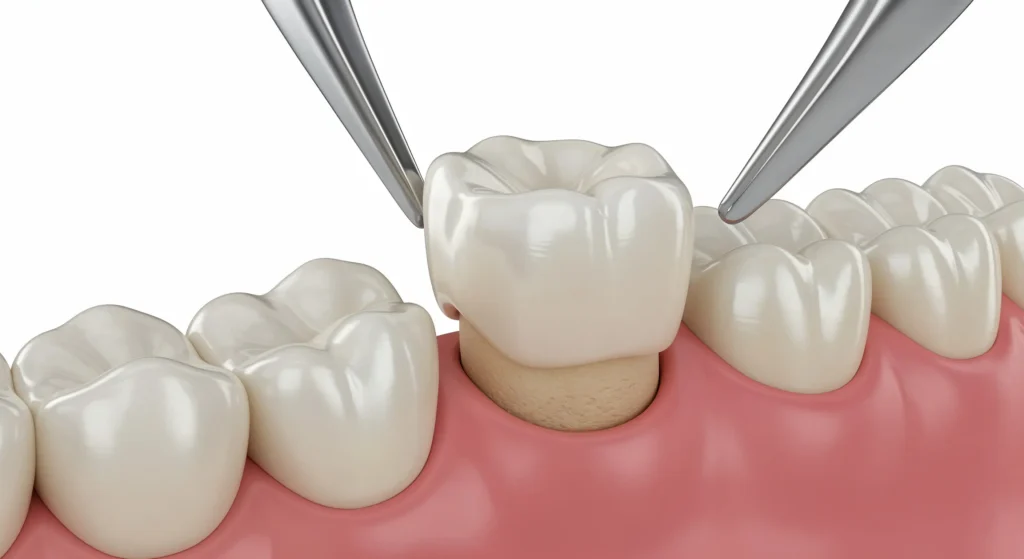
It usually happens in a split second. A popcorn kernel hides at the bottom of the bag. An olive pit turns up where it should not. A fork catches a crown. You bite down, hear or feel something sharp, and your stomach drops before the pain even arrives.
That moment matters more than most people realize. Teeth are strong, but they are not indestructible. When a tooth cracks under sudden force, the damage can range from a minor chip in enamel to a deep fracture that exposes the nerve or runs below the gumline. The right next step can make the difference between a straightforward repair and losing the tooth. This is exactly when advice from an Emergency Dentist becomes valuable, not only for pain relief, but for preserving options.
I have seen people wait because the pain faded after an hour, only to return days later with swelling, infection, or a split tooth that could no longer be saved. I have also seen patients come in convinced they needed an extraction when the problem turned out to be a small fractured cusp and a same-day crown was enough. The early signs are not always dramatic, which is why calm, informed action is more useful than guesswork.
What might have happened when you bit down
Not every hard bite leads to the same injury. The sensation gives clues, but it does not tell the whole story. A clean, rough edge you can feel with your tongue often means a chipped edge or a broken filling. Sharp pain when you release your bite can suggest a crack. A dull ache with temperature sensitivity may mean the inner layer of the tooth, the dentin, is exposed. Throbbing pain, especially if it starts hours later, raises concern that the nerve has been irritated or injured.
Molars are common trouble spots because they absorb most of the chewing force. Teeth with large fillings, root canals, old crowns, or untreated decay are especially vulnerable. A tooth that has already lost internal structure is less forgiving when it meets something unexpectedly hard. Even a healthy tooth can crack, but a heavily restored one tends to fail first.
One thing surprises many patients: the damage is not always visible in the mirror. Small cracks can run through a cusp or along the side of the tooth and hide under the gumline or inside a filling. That is why a tooth can hurt sharply with chewing while looking almost normal from the outside.
The first hour matters
The immediate goal is simple: protect the tooth, control irritation, and avoid making the damage worse before you are assessed. If you can, stop chewing on that side right away. Rinse gently with lukewarm water to clear debris. If a piece of tooth or a filling has come loose, save it if you can find it. Sometimes it is useful for the dentist to see exactly what broke off, even if it cannot be reattached.
Here is a practical first-response checklist:
- Rinse your mouth gently with lukewarm water and spit out any fragments.
- If there is swelling, place a cold compress on the outside of the cheek for ten to fifteen minutes at a time.
- Avoid chewing on the injured side, and stick to soft foods until you are seen.
- If the tooth has a sharp edge, cover it temporarily with dental wax or sugar-free gum to protect your tongue and cheek.
- Call an Emergency Dentist the same day if pain, sensitivity, looseness, or a missing restoration is involved.
Over-the-counter pain relief can help, but use judgment. Many adults can take ibuprofen or acetaminophen if these medications are safe for them, but dosing depends on age, medical conditions, and other medications. It is best to follow the label or your physician’s guidance. Do not place aspirin directly on the gum or tooth. People still do this, and it can chemically burn the tissue.
If there is bleeding from the gums, apply gentle pressure with clean gauze. If the tooth itself is bleeding from the center or you can see pink or red tissue inside the tooth, treat it as urgent. That suggests the inner pulp may be exposed.
Signs you should treat as urgent
Some dental injuries can wait a day or two for a regular appointment. Others should be handled the same day, ideally within hours. Pain is only one part of the picture. Structural instability, exposed nerve tissue, and signs of infection matter just as much.
Seek prompt care from an Emergency Dentist if you notice any of the following:
- A visible crack line, a split tooth, or part of the tooth moving when you touch it
- Sharp pain when biting or when releasing pressure after biting
- Significant sensitivity to cold, heat, or air that lingers more than a few seconds
- Swelling, fever, a bad taste, or pus near the tooth
- A lost crown, broken filling, or chip that leaves dentin or nerve tissue exposed
The reason urgency matters is not only comfort. A cracked tooth can spread under chewing pressure. A small fracture today can become a non-restorable split tomorrow if you keep testing it with food. I often tell patients that the instinct to check whether it still hurts by biting again is understandable and exactly the wrong move.
Why a cracked tooth can fool you
Cracks are tricky. Some barely hurt at first, then become severe later. Others cause sharp pain only with certain foods, especially seeds, crusty bread, nuts, or ice. Some cracks are microscopic and visible only under magnification or after a bite test. A tooth can also be tender because the ligament around it was bruised during the hard bite, even if the tooth itself is intact. Those cases usually settle more quickly, but it takes an exam to separate a bruise from a fracture.
One pattern that raises concern is pain on release. Patients describe it as, “It hurts more when I let go than when I bite down.” That often points to a crack flexing under pressure and then snapping back as pressure lifts. Another pattern is a tooth that feels “high” or different, as though it meets the opposing tooth too soon. That can happen when a cusp breaks or when inflammation in the ligament changes the way the tooth sits.
If you already had dental work on that tooth, the possibilities broaden. A porcelain crown can chip. Cement can fail and the crown can loosen. A large composite filling can fracture a remaining cusp. Root canal treated teeth are a special category because they may not feel temperature the same way, so people assume they are fine even when the outer structure has cracked badly.
What an Emergency Dentist will usually check
The exam is not just about spotting a visible break. A careful dentist is trying to answer several practical questions. Is the damage limited to enamel, or does it extend into dentin or pulp? Is the tooth stable enough to restore? Has the bite changed? Is there a vertical crack running toward the root? Are the surrounding gum and bone affected?
That assessment usually includes direct visual inspection, gentle tapping, bite testing, and x-rays. Sometimes a crack itself does not show well on a standard x-ray, especially if it runs front to back, but x-rays can still reveal useful indirect signs such as deep decay, an old restoration with recurrent decay, widening around the root, or involvement of the bone. Dentists may also use transillumination, magnification, or special dyes to find fracture lines.
Patients https://lukaslgfs190.theburnward.com/emergency-dentist-steps-to-take-after-losing-a-filling often ask whether they will know the final treatment that same day. Sometimes yes, sometimes not. If the tooth is in significant pain and the area is inflamed, the first visit may focus on stabilization, temporary coverage, and diagnosis, followed by definitive treatment once the tooth settles. That is not hesitation. It is careful decision-making.
The range of possible treatments
A minor enamel chip on the edge of a front tooth may only need smoothing or bonding. A broken cusp on a molar may be best treated with an onlay or crown. If the fracture has reached the pulp, root canal treatment may be needed before the tooth is restored. If the crack extends vertically below the gumline or down the root, the tooth may not be savable.
This is where experience matters. Two teeth can look similarly damaged to a patient and require very different plans. I remember one patient who bit into a stray olive pit and arrived holding a fragment of molar in a tissue. She was certain the tooth was lost. The fracture turned out to be a broken cusp on a heavily filled lower molar. The root was intact, the remaining walls were strong enough, and the tooth was restored successfully. Another patient came in after cracking a lower molar on hard candy. The outside looked like a small issue, but the crack tracked deep through the center of the tooth. The symptoms, the bite test, and the radiographic findings all pointed to a vertical root fracture. That one was not repairable. The lesson is that appearance alone is unreliable.
There are trade-offs in treatment timing too. If the tooth can be protected quickly with a temporary crown or bonded buildup, that can reduce the chance of crack propagation. On the other hand, if the diagnosis is uncertain, permanently locking in a restoration too early can create false confidence and delay more appropriate treatment.
What not to do while you wait
People often make small choices that worsen the situation without realizing it. Crunchy foods are the obvious problem, but sticky foods can be just as troublesome because they can pull off a weakened filling or crown. Very cold drinks may trigger pain if dentin is exposed. Clenching is another common issue, especially at night. If you know you grind your teeth, be extra cautious after an injury, because a cracked cusp can fail further under overnight pressure.
Temporary repair kits from a pharmacy can be useful in a narrow sense. They may cover a sharp edge or hold a crown in place short term. They do not diagnose the problem, and they should not be used as a substitute for being seen. If a crown fell off because the tooth underneath fractured or decayed, simply gluing it back with a home product can trap bacteria and complicate the proper repair. Household glues are never appropriate in the mouth.
It is also wise not to test the tooth repeatedly. Every time you bite on it to see whether it still hurts, you are loading a structure that may already be compromised. If a patient tells me, “I kept trying different foods to figure out which one hurt,” that usually means the tooth had a rough weekend it did not need.
When it seems minor but still deserves attention
A small chip without pain can tempt anyone to postpone care. Sometimes that is reasonable for a day or two, particularly if the chip is tiny and purely cosmetic. Even then, there are a few reasons not to ignore it for long. First, sharp edges can cut the tongue or cheek. Second, what seems like a small chip can be the visible part of a larger crack. Third, a rough broken area tends to collect plaque, which can irritate the gums and increase decay risk if left unpolished or uncovered.
If the tooth is not painful but feels different, catches floss, or has become suddenly sensitive to cold water, I would still encourage an evaluation. A modest repair is easier and less expensive than dealing with a tooth that worsens over several weeks.
Special situations that change the advice
Children need a slightly different response. If a child bites something hard and breaks a baby tooth, the urgency depends on pain, mobility, and whether the nerve is exposed, but prompt assessment still matters because infection in a baby tooth can affect the developing permanent tooth beneath it. If it is a permanent tooth in a teenager, the threshold for quick treatment is even lower.
Pregnancy also changes planning, though not the need for care. Dental emergencies should not be ignored during pregnancy. Pain, infection, and swelling are not safer than treatment. Dentists can adjust imaging, medications, and timing appropriately.
People with crowns, implants, bridges, or veneers need tailored advice as well. A crown that feels loose after biting something hard may have detached because the cement failed, but it may also indicate the underlying tooth or core fractured. An implant crown can chip or loosen at the screw level rather than the tooth level, which requires a different type of repair. Veneers can debond or crack at the edge and leave the tooth sensitive.
Braces and aligners complicate things too. A broken tooth under orthodontic movement should be evaluated promptly because pressure on an injured tooth can increase discomfort and make diagnosis harder. Bring your aligners or retainer to the appointment if you have them.
Cost questions patients usually ask first
Most people want to know whether this is going to be a filling, a crown, a root canal, or an extraction, because each carries a different cost and timeline. A fair answer early on is often, “It depends on the depth and direction of the damage.” That may feel unsatisfying, but it is honest. There is no responsible way to quote definitive treatment from a symptom alone.
What is usually worth doing, even if you are worried about cost, is getting the injury diagnosed quickly. The examination and imaging often prevent a bigger bill later. Waiting can turn a repairable tooth into one that needs more extensive treatment. Patients do not love hearing that, but it is a pattern seen often enough to take seriously.
If budget is tight, be direct with the dental office. Many practices can explain staged treatment, temporary options, financing, or whether a less extensive stabilizing measure is reasonable while a final decision is made. What matters is not disappearing with a fractured tooth and hoping it behaves.
Preventing the next hard-bite emergency
Some accidents are random. Others are predictable. If you have a habit of chewing ice, opening packets with your teeth, biting pens, or eating unpitted olives casually, your teeth are carrying more risk than they should. Popcorn kernels and fruit pits are repeat offenders in emergency dental visits for a reason. So are hard candies and uncracked nutshell fragments.
There is also a structural prevention side. Teeth with large, aging fillings often announce themselves before they break. They may develop hairline craze lines, cold sensitivity, or little fractures around the filling margins. If your dentist has been monitoring a heavily restored molar and recommending a crown, that advice is often about preventing the kind of sudden fracture that happens during one unlucky bite.
Night guards deserve mention too. They do not stop you from biting an olive pit at dinner, but they can reduce accumulated stress from grinding and clenching, which weakens teeth over time. A tooth already under chronic strain is less resilient when it meets something unexpectedly hard.
If the pain disappears, are you in the clear?
Not necessarily. A fading ache can mean the initial inflammation settled. It can also mean the nerve has been injured enough to stop responding normally. The timeline matters. Immediate sensitivity that improves over a day may be less concerning than pain that disappears for several days and then returns with throbbing, swelling, or heat sensitivity. That delayed pattern can point to pulpal damage progressing toward infection.
Any tooth that changed after a hard bite deserves some attention, even if it quiets down. A short dental visit is easier than dealing with an abscess later. One of the hardest conversations in urgent care dentistry is with a patient who says, “It hurt when it happened, but then it seemed okay, so I ignored it.” By the time they come in, the crack is deeper, the restoration options are fewer, and the choice is more expensive.
The practical takeaway
If you bite down on something hard and a tooth suddenly hurts, cracks, chips, or feels wrong, treat it with respect. Stop chewing on that side. Rinse, cool the area if needed, protect any sharp edge, and get professional advice sooner rather than later. The value of an Emergency Dentist in this moment is not only handling severe pain. It is making an early call on whether the tooth can be protected, restored, or needs more extensive care before the problem escalates.
Teeth do not heal fractures the way skin heals cuts. Once the structure is compromised, the clock starts ticking on function, comfort, and repairability. Quick, calm action gives that tooth its best chance.
Simple Dental South Gate
Address: 8617 California Ave, South Gate, CA 90280
Phone number: +13236896118
FAQ About Emergency Dentist Southgate CA
What can the ER do for a tooth?
The emergency room can provide temporary symptom relief for a bad tooth, such as prescribing pain medicine or antibiotics, but it cannot fix the actual dental problem.
What is the 3-3-3 rule for tooth infection?
The 3-3-3 rule for a toothache or infection typically means taking three 200 mg ibuprofen tablets (600 mg total) three times a day for no more than three days to control pain and swelling while waiting to see a dentist.
What do you do if you have a dental emergency but no dentist?
If you have a dental emergency and no regular dentist, you should search for an urgent care dental clinic, call local walk-in dental offices, or go to a hospital emergency room if you have severe bleeding, swelling, or trouble breathing.