Veneers Calabasas CA for a Natural-Looking Smile
A natural-looking smile is rarely about making teeth look perfect. It is about proportion, light, symmetry, texture, and restraint. The best cosmetic dentistry does not announce itself from across the room. It simply makes someone look healthier, more polished, and more like themselves on a very good day.
That is exactly why so many people searching for Veneers Calabasas CA are not asking for a blinding white, uniform smile. They want balance. They want to soften chips, close small gaps, correct uneven shapes, and brighten teeth that no longer respond well to whitening, all without creating that flat, overly opaque look people often associate with cosmetic work done poorly.
Veneers can do that beautifully when they are planned with care. They can also look unnatural when they are rushed, oversized, too bright, or chosen without regard for facial features and bite. The difference is not subtle. In practice, the most successful veneer cases are usually the ones where the dentist and patient spend more time planning than most people expect.
What veneers actually change
Veneers are thin restorations that cover the front surface of teeth, usually in the smile zone. They are commonly used to improve color, shape, length, minor alignment issues, and visible wear. In most cases, porcelain veneers are the standard for durability and lifelike appearance, though composite veneers may make sense in select situations.
The reason Veneers remain so popular is simple. They can address several cosmetic concerns at once. A patient who has one chipped central incisor, slight crowding on the lateral teeth, old bonding that keeps staining, and enamel discoloration does not necessarily want braces, whitening, contouring, and multiple repairs over several years. Veneers can often streamline that process into a more coordinated result.
Still, veneers are not a shortcut for every smile concern. They work best when the underlying tooth structure is healthy, the gums are stable, and the bite is not actively damaging the front teeth. If someone clenches heavily, has untreated decay, or significant gum disease, the cosmetic plan has to wait until the foundation is sound.
That is one of the first signs of a thoughtful cosmetic approach. The focus is not only on how the smile will look in photos. It is also on whether the result will hold up when the patient talks, eats, sleeps, and ages.
Why natural-looking veneers are harder than people think
There is a common assumption that cosmetic dentistry is mostly about choosing a shade and placing the restorations. Real smile design is far more nuanced. Natural teeth are not one flat color. They reflect light differently from the edge to the gumline. They have slight translucency near the incisal edge, subtle variation in value, and tiny surface characteristics that keep them from looking artificial.
When veneers look fake, it is often because one or more of those details were ignored. Teeth may be made too wide for the face, too square for the patient’s age and features, or too bright for the person’s complexion and existing teeth. Sometimes the problem is not the veneer itself but the overall arrangement. If every front tooth has the exact same length and shape, the smile can look manufactured.
A natural smile usually has controlled variation. The central incisors tend to lead visually. The lateral incisors are often slightly shorter or softer in contour. Canines add definition and frame the smile. Those relationships matter.
Patients are sometimes surprised to learn that the most attractive veneers are not always the whitest ones. A bright smile can be beautiful, but brightness has to be matched with translucency and surface texture. Otherwise, the teeth can look chalky under daylight and unnaturally solid in photographs.
Why people in Calabasas often ask for a subtle result
A place like Calabasas brings together people from many professions and lifestyles, and appearance often carries professional weight. That does not always mean people want dramatic cosmetic changes. In fact, many want the opposite. They want improvements that look effortless.
Someone in media may want their smile to read well on camera without looking obvious in person. A business owner may want to look more polished during meetings but still age appropriately. A parent returning to work may simply want to fix worn or chipped front teeth after years of grinding and coffee staining. These are different motivations, but they often lead to the same request: make it look like my teeth, only better.
That phrase is one of the best starting points for Veneers Calabasas CA consultations. It signals a priority on realism. It also opens the door to a more useful conversation about what the patient notices when they smile, what bothers them in close-up photos, and what level of change feels comfortable.
A subtle cosmetic result often takes more judgment than an obviously glamorous one. It requires restraint. The dentist has to know when to add length and when not to, when to brighten and when to stop, when to round an edge and when to preserve character.
Who tends to be a good candidate
Veneers are often a strong option for adults with healthy teeth and gums who want to improve the appearance of the front teeth. Good candidates typically have issues such as discoloration resistant to whitening, chipped enamel, mild spacing, uneven tooth shape, worn edges, or old bonding that no longer matches well.
They are less ideal for people with major crowding, untreated clenching damage, or expectations that are disconnected from what will look believable on their face. A twenty-something with healthy enamel and minor crookedness may be better served by orthodontics and whitening than by preparing otherwise sound front teeth for veneers. On the other hand, a patient in their forties with worn edges, stain-resistant discoloration, and multiple old repairs may benefit substantially from veneers because the treatment solves several problems at once.
The distinction matters. A good cosmetic plan is not about selling the most visible treatment. It is about choosing the least invasive approach that can reliably achieve the desired result.
The consultation matters more than the before-and-after gallery
Before-and-after photos can be helpful, but they do not tell the whole story. Lighting changes everything. Angles flatter some cases. Editing can mislead, even when unintentional. What matters more is how the dentist evaluates your smile and whether the planning process feels individualized.
A useful consultation should cover your goals, dental history, bite, gum health, and the condition of the existing enamel. It should also address how many teeth need treatment. Many patients initially assume they need ten veneers because they have heard that number before. In reality, the right number depends on smile width, tooth visibility, and the specific concern. Some people benefit from four or six. Others need eight or ten for color continuity and balance. Occasionally, two carefully matched veneers are enough.
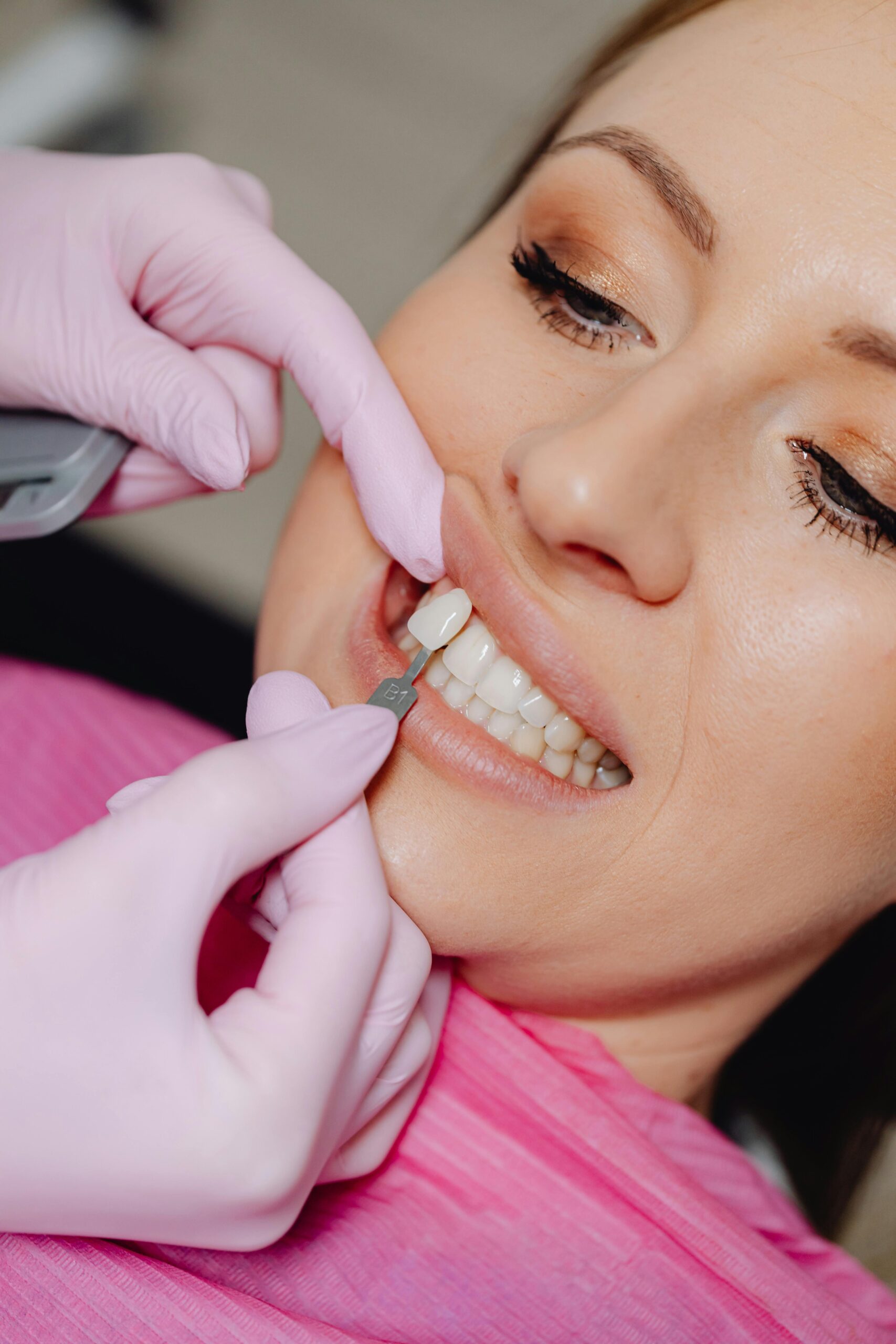
The shade discussion should also be more sophisticated than picking the brightest sample in the room. Color has dimensions. Brightness, opacity, translucency, and undertone all affect whether the result looks real. If lower teeth or adjacent untreated teeth show prominently when you smile, that has to be considered as well.
A strong consultation often includes a preview process, whether through https://edwinsblq971.almoheet-travel.com/how-to-know-if-veneers-in-calabasas-ca-fit-your-goals wax-up models, digital imaging, provisional mockups, or a combination of those tools. This planning stage helps clarify whether the shape feels too long, too square, too youthful, or too refined before the final porcelain is made.
What the veneer process usually involves
The exact sequence varies by case, but most veneer treatment follows a fairly predictable arc from design to delivery. The key is that each stage informs the next, especially in cosmetic cases where small adjustments matter.
- Initial records and smile planning, including photos, impressions or scans, and discussion of shape and shade
- Tooth preparation, if needed, with conservative reshaping of the front surface
- Temporary veneers or provisionals in many cases, allowing a preview of length, contour, and speech
- Final porcelain fabrication by the lab, often over one to three weeks depending on complexity
- Try-in, bonding, and fine adjustments to bite and polish
That outline sounds straightforward, but the human side of the process deserves equal attention. Provisionals can be surprisingly informative. Patients often discover during the temporary phase that they want a tiny edge shortened, a line angle softened, or a canine made slightly less prominent. Those are small changes, yet they often separate a good result from one that feels truly personal.
There is also the issue of speech. Very slight changes to front tooth length and contour can affect certain sounds for a short period, particularly "f" and "v" sounds. Most patients adapt quickly, but it is worth acknowledging. Cosmetic dentistry happens in real life, not in a static photograph.
Minimal-prep, no-prep, and traditional veneers
These terms create a lot of confusion. Minimal-prep veneers generally involve conservative enamel reduction to make room for the porcelain and improve the final contour. No-prep veneers, as the name suggests, attempt to avoid reducing the tooth at all. Traditional veneers may involve a bit more reshaping, depending on the starting position and desired outcome.
No-prep sounds appealing, and in the right case it can work well. The problem is that the right case is narrow. If the teeth already project outward, adding porcelain without reducing any structure can create bulk. That bulk is one of the classic causes of an unnatural result. Lips may sit differently. The smile can look heavier. Light may hit the teeth in a way that makes them appear too prominent.
Minimal-prep approaches are often the sweet spot. They preserve enamel while still giving the dentist and lab enough room to create proper shape and lifelike depth. In well-selected patients, bonded porcelain to enamel also tends to be reliable over time.
The right prep style should be determined by the teeth in front of you, not by marketing language.
Matching veneers to face shape, age, and personality
A smile does not exist in isolation. It sits within the face, under the lip, and alongside expressions that are unique to the person. That sounds obvious, but it is one of the biggest reasons cookie-cutter veneer design fails.
Some faces carry stronger, more angular tooth shapes beautifully. Others need softer contours. Younger smiles often tolerate more edge translucency and a slightly playful asymmetry. More mature smiles may benefit from polished refinement without looking overly juvenile. Men and women can both wear many smile styles, but lip dynamics, facial width, and expression patterns often influence what looks harmonious.
Personality matters too. Some patients want a very polished look. Others want tiny imperfections preserved because those details still feel like them. One patient may ask to keep a small bit of canine character. Another may want a chipped edge from an old sports injury erased completely. Neither instinct is wrong. The goal is not to impose one version of beauty. It is to create a smile that fits the person wearing it.
That is why the best Veneers conversations are rarely just technical. They are also aesthetic conversations about identity.
Cost, value, and what people should ask
The cost of Veneers in Calabasas can vary widely based on the dentist’s experience, the complexity of the case, the materials used, and the laboratory quality behind the work. Fees may differ significantly from one practice to another, and the lowest fee is not automatically the best value.
A veneer is not only a piece of porcelain. You are paying for diagnosis, design, tooth preservation strategy, provisionalization, lab communication, bonding skill, and aftercare. If one of those parts is weak, the result can suffer. Replacing poorly done veneers later usually costs more than doing them carefully the first time, and revision cases are often more challenging because enamel may already be reduced.
Instead of focusing only on price per tooth, ask practical questions. How much tooth structure will be removed? Who makes the veneers? How are shape and color previewed before final bonding? What happens if a veneer chips or if the shade feels off at try-in? Those answers reveal more than a promotional discount ever will.
Longevity and maintenance
Veneers are durable, but they are not indestructible. Porcelain veneers often last many years when properly planned, well bonded, and maintained, though lifespan varies with bite forces, oral habits, hygiene, and the amount of natural wear a patient produces. Some last well beyond a decade. Others need earlier attention because of chipping, margin changes, gum shifts, or heavy grinding.
Patients who treat veneers like natural teeth usually do best. Brush gently but thoroughly, floss consistently, and keep up with professional cleanings. If you grind or clench, a night guard is often a wise investment. That one step can materially extend the life of the work.
Certain habits raise risk. Opening packages with front teeth, chewing ice, biting pens, and untreated nighttime grinding can all damage veneers or the teeth supporting them. Stain does not penetrate porcelain the way it can natural enamel, but the surrounding teeth can still darken over time, and margins can become more noticeable if the gums recede or home care slips.
A few straightforward habits make a real difference:
- Wear a night guard if you clench or grind
- Avoid using front teeth as tools
- Keep routine exams and cleanings on schedule
- Address chips, bite changes, or gum irritation early
- Be realistic about future maintenance and possible replacement
That last point is important. Veneers are a long-term commitment. Once teeth are prepared, they will continue to require restorations in that form or another. That does not make veneers a poor choice. It simply means the decision deserves maturity and planning.
When veneers are not the best answer
Some of the best cosmetic recommendations involve not doing veneers. If the teeth are healthy and the concern is mainly mild crowding, clear aligners may create a more conservative path. If the issue is isolated discoloration or a single chip, whitening plus bonding may be enough. If the front teeth are worn because of a bite problem, that bite may need to be stabilized before any esthetic treatment begins.
There are also emotional considerations. Patients going through a sudden life transition sometimes want a dramatic smile change very quickly. That impulse is understandable, but permanent cosmetic treatment should not be done impulsively. Smiles affect identity in a deep way. It is worth taking time to evaluate whether the planned look will still feel right a year from now.
A careful dentist will sometimes slow the process down, especially if expectations are vague or extreme. That is not resistance. It is judgment.
Choosing a provider for Veneers Calabasas CA
If you are comparing options for Veneers Calabasas CA, look beyond branding. Cosmetic dentistry is detail work. The final result depends on the provider’s eye, communication style, and willingness to customize rather than oversimplify.
Look for someone who listens closely, studies your facial features, and explains trade-offs clearly. Ask to see examples of cases that resemble your starting point, not only dramatic transformations. Pay attention to whether the smiles in those examples still look like real teeth. Do they have depth, softness, and individuality, or do they all look identical?
It also helps to notice how the office handles the planning process. Strong cosmetic teams usually take photography seriously, discuss provisionals thoughtfully, and make room for feedback before final cementation. They understand that a veneer case is not finished when the lab box arrives. It is finished when the smile looks right, feels right, and functions well.
The quiet goal: confidence without obvious dental work
The most successful veneer patients often hear a specific kind of compliment afterward. People do not say, "Great veneers." They say, "You look refreshed," or "Your smile looks amazing," or "Something looks different, but I can’t tell what." That is usually the mark of natural cosmetic dentistry.
A natural-looking smile should not flatten your features or erase your character. It should support the way you speak, laugh, and carry yourself. It should fit in bright sunlight, in a business meeting, and in a close-up photo without drawing attention to itself for the wrong reasons.
For patients considering Veneers, that is the standard worth aiming for. Not the biggest change, not the whitest shade, not the fastest transformation. Just a smile that feels believable, healthy, and fully your own.
Oaks Dental
Address: 5000 Parkway Calabasas Ste 308, Calabasas, CA 91302
Phone number: +18184312000
FAQ About Veneers Calabasas CA
How much do veneers actually cost?
In the United States, dental veneers generally cost between $250 and $2,500 per tooth, while a full set typically runs anywhere from $6,000 to $25,000. Because the procedure is classified as cosmetic and elective, dental insurance almost never covers it.
How long do dental veneers last?
Dental veneers last a long time, but they are not permanent. They mainly depend on two key types: porcelain veneers and composite veneers. On average, porcelain types last 10 to 15 years, while composite types last 5 to 7 years before they need a fix or a new set.
What is the downside of having veneers?
The main downsides of dental veneers are that the process is permanent, they can cause tooth sensitivity, and they are costly to replace.