What Makes Dental Crowns in Oxnard CA So Popular?
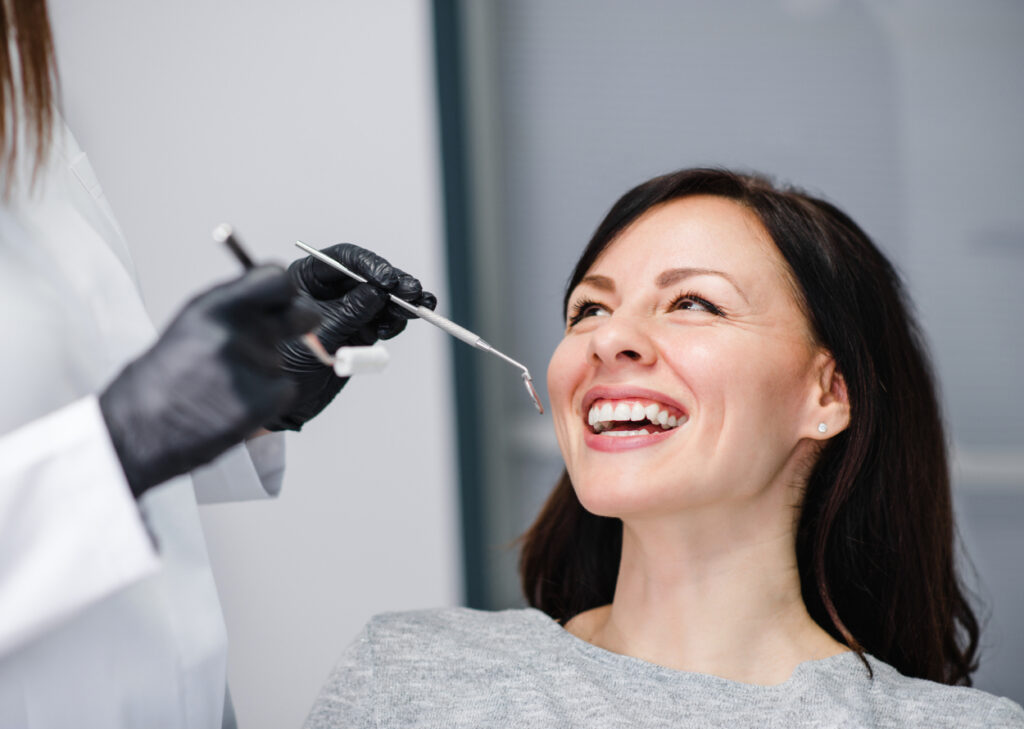
Walk into almost any busy dental office in coastal Ventura County, and one procedure comes up again and again in treatment conversations: crowns. Patients ask about them after a cracked molar, after root canal treatment, after years of wear, or when an old filling finally gives out. The popularity of Dental Crowns Oxnard CA patients seek is not a mystery. It comes down to a mix of practical dentistry, aesthetics, long-term value, and the simple fact that crowns solve several common problems at once.
A crown is, at its core, a protective cap that covers a damaged tooth. That definition sounds straightforward, but its usefulness is broad. Crowns can strengthen weak teeth, restore broken ones, improve chewing function, support dental bridges, complete implants, and refine the appearance of misshapen or heavily restored teeth. Few treatments in general dentistry pull that much weight.
In a place like Oxnard, where families juggle work, school schedules, sports, and social commitments, people tend to appreciate dental solutions that are durable and efficient. They want treatment that looks natural, performs well, and does not create a cascade of future problems. Crowns often fit that need remarkably well.
Why crowns come up so often in real dental care
Teeth do not usually fail all at once. More often, they wear down in layers. A small cavity becomes a large filling. A large filling weakens the remaining tooth walls. One day a corner breaks off while chewing something ordinary, maybe toast, nuts, or a tortilla chip. Patients are often surprised by how little force it took. From the dentist’s side, it is less surprising. Once enough natural structure is lost, a simple filling may no longer be the best answer.
That is where Dental Crowns enter the picture. A crown surrounds the visible part of the tooth and redistributes bite forces far better than a patchwork repair. It does not make a tooth indestructible, but it can dramatically improve that tooth’s odds of surviving years of daily use.
This is especially relevant for back teeth. Molars and premolars absorb the heaviest chewing pressure. Even a well-done filling can struggle if the tooth has thin remaining walls or fractures running through the cusps. In those situations, placing another filling can feel cheaper in the moment, but costlier later if the tooth splits further and becomes harder to save.
Patients usually understand this quickly when it is explained with an X-ray and a mirror. A crown is not just a cosmetic cover. It is often the structural treatment that keeps a salvageable tooth from turning into an extraction case.
Oxnard patients often want dentistry that blends function and appearance
One reason crowns are especially popular in Oxnard is that people do not want to choose between strength and appearance. Modern crown materials give dentists much better options than what many patients remember from years ago. The old image of a bulky, obvious crown with a dark edge at the gumline still lingers, but dentistry has moved forward.
Tooth-colored ceramic and porcelain-based materials can look remarkably natural. A good crown can mimic the way enamel reflects light, and on many teeth it is difficult for anyone else to spot. That matters in a community where patients span every age and profession, from retirees and teachers to sales professionals, hospitality workers, and people who spend much of the day face-to-face with the public.
Front teeth call for careful shade matching and contour. Back teeth call for strength, precision, and bite balance. The beauty of crown treatment is that it can be customized to what the specific tooth needs. A dentist is not placing a generic cap. They are choosing a design, material, shape, and margin placement that suits the patient’s smile, habits, and anatomy.
The result is a procedure that appeals both to patients who care deeply about aesthetics and to patients who just want to chew comfortably again.
Crowns solve the aftermath of common dental problems
The popularity of crowns is tied to the problems people actually have, not abstract treatment planning. In everyday practice, several situations lead naturally to a crown recommendation.
A tooth with a very large filling is a classic example. The more filling material a tooth contains, the less natural tooth remains to absorb chewing pressure. Another common scenario is a cracked tooth. Some cracks are superficial. Others create sharp pain when biting or releasing pressure. If the tooth can still be saved, a crown often acts like a brace around it.
Crowns are also common after root canal treatment. This is one of the most frequent reasons patients hear the word “crown” during an appointment. A root canal removes infected or inflamed tissue from inside the tooth, but the tooth itself may already be compromised by decay, a fracture, or previous restorations. Back teeth that have had root canal therapy often benefit from crown coverage because they are more prone to breaking under load.
Then there are purely cosmetic or shape-related cases. Some teeth are severely worn flat from grinding. Others are discolored in a way whitening cannot correct. Some are naturally undersized or misshapen. Veneers can address certain front-tooth concerns, but crowns are often preferred when the tooth also needs structural reinforcement.
In other words, crowns are popular because they are useful in the exact situations many adults eventually face.
The local lifestyle factor matters more than people think
Oxnard has a practical, active pace. People eat on the go, play sports, work with their hands, and often postpone dental visits until a problem becomes hard to ignore. That pattern tends to increase demand for restorative treatment. A tiny crack caught early may be managed conservatively. A crack ignored for a year may need a crown. A cavity addressed promptly might only need a filling. Left to spread, it can hollow the tooth enough that a crown becomes the smarter repair.
There is also a quality-of-life issue. Patients do not want a tooth that hurts every time they chew on one side. They do not want to avoid cold drinks or flossing because of sensitivity. And they do not want a visible broken tooth affecting their smile. Crowns appeal because they restore normalcy. The goal is not merely to treat disease. It is to let the patient eat, speak, smile, and get through the day without thinking about that tooth constantly.
I have seen many patients delay crown treatment because the tooth “only hurts sometimes.” That phrase is common. Sometimes can last for weeks, then suddenly become all the time, often after a piece breaks off. When the crown is finally placed and the bite is comfortable again, the patient often says the same thing: they wish they had done it earlier.
Modern materials have made crowns easier to accept
Older generations often remember dental restorations as metallic, obvious, or uncomfortable. Today’s crown options are more refined. Materials vary by office and case, but the broad categories usually include all-ceramic crowns, porcelain fused to metal crowns, and zirconia-based crowns. Each comes with trade-offs, and that nuance matters.
All-ceramic options can be highly aesthetic and are frequently used where appearance matters most. Zirconia is known for strength and has become popular for back teeth and many general restorative situations. Porcelain fused to metal crowns are still used in some cases, though many patients now prefer metal-free options when possible.
The material choice depends on bite forces, available tooth structure, location in the mouth, grinding habits, shade goals, and budget. A patient who clenches heavily at night may need a different recommendation from someone with a lighter bite. A front tooth visible in every smile photo deserves different planning from a second molar that only the dentist sees.
This flexibility contributes to the popularity of Dental Crowns Oxnard CA offices provide. Patients are not being forced into a one-size-fits-all solution. They can discuss cost, longevity, appearance, and function in a way that feels individualized.
The process is more straightforward than many patients expect
Crowns sound intimidating until patients understand the sequence. In a traditional approach, the tooth is shaped so the final crown can fit properly, impressions or digital scans are taken, and a temporary crown is placed while the final one is made. At the delivery visit, the permanent crown is checked for fit, color, contact, and bite before cementation.
For many patients, the most surprising part is how normal the process feels once they are in the chair. Numbing controls discomfort during the preparation appointment. Temporary crowns can feel slightly different, but they protect the tooth while the final restoration is fabricated. The permanent crown appointment is usually shorter and more comfortable than expected.
Some practices now use digital workflows and, in selected cases, same-day technology. Not every tooth or every office is suited for that approach, but it has shaped patient expectations. People like efficiency. They like the idea that crown treatment can be more precise and less messy than old-fashioned impression materials.
The perceived complexity of crowns has gone down, while the visible quality has gone up. That is a strong combination for patient acceptance.
Cost plays a role, but so does value
No honest discussion of crowns should ignore cost. A crown is more expensive than a simple filling, and for uninsured patients the price can feel significant. Even with dental benefits, out-of-pocket costs vary based on annual maximums, deductibles, and the material chosen.
Yet popularity is not always about the lowest sticker price. Often it is about value over time. A well-made crown on a tooth that truly needs one can prevent repeat patchwork dentistry. Patients who have paid for multiple large fillings on the same tooth often understand this quickly. At some point, the cycle of repair, fracture, repair again, and emergency visit becomes more expensive than definitive treatment.
That said, crowns are not automatically the answer to every damaged tooth. A conservative dentist should distinguish between a tooth that truly needs full coverage and one that can be treated well with a smaller restoration. Patients are right to ask questions. How much tooth is left? Is there a crack? What are the alternatives? What happens if we wait? The popularity of crowns should never replace careful diagnosis.
A balanced conversation builds trust. And trust is a major reason patients move forward with treatment.
Why people talk about crowns after root canals
If there is one place where public understanding still gets fuzzy, it is the relationship between root canals and crowns. Many patients think the root canal itself fixes everything. It removes infection and pain from inside the tooth, but it does not rebuild what was lost. If decay, access drilling, or fracture has weakened the outer structure, the tooth may remain vulnerable.
This is why dentists so often recommend a crown after root canal treatment, especially for molars and premolars. The chewing forces on those teeth are substantial. A back tooth that has had a root canal but no crown can survive for some time, but its fracture risk is generally higher than that of a properly restored tooth. The exact risk depends on the amount of remaining tooth structure, the patient’s bite, and whether the tooth is upper or lower, front or back.
Patients in Oxnard who want to preserve their natural teeth long term tend to respond well to that logic. Extraction and replacement are usually more involved and more expensive than protecting a restorable tooth in the first place.
Appearance matters, but so does bite accuracy
A crown that looks beautiful but feels high when you chew is not a good crown. One of the underappreciated reasons crowns remain popular is that a properly made crown can restore the shape and function of the tooth more precisely than a large hand-layered filling in many cases.
Dentists pay close attention to the bite because tiny discrepancies matter. A crown that hits too hard can create soreness, temperature sensitivity, jaw tension, or even contribute to fracture. Contact points with neighboring teeth matter too. Too tight and floss shreds or jams. Too loose and food traps between the teeth.
Patients may not see this invisible craftsmanship, but they feel it. When a crown is done well, chewing becomes uneventful again. That ordinary comfort is a big part of patient satisfaction.
The best candidates are not always the obvious ones
Many people assume crowns are mainly for seniors. That is not accurate. Adults in their thirties and forties often need crowns because they have older fillings from childhood, clenching habits, acid erosion, sports injuries, or untreated cavities that grew over time. Younger patients who grind their teeth can wear through enamel surprisingly fast. A cracked cusp on a lower molar is not rare in that age group.
At the same time, not every older adult automatically needs crowns. Some have excellent natural tooth structure and only need smaller restorations. Popularity does not equal universality. The right recommendation depends on what is happening in that specific mouth.
This is also where nightguards come into the conversation. Patients who grind or clench can chip even strong restorations over time. A crown may solve today’s structural problem, but protecting it from heavy nighttime forces helps preserve that investment. The best treatment plan often extends beyond the crown itself.
What patients should ask before saying yes
When patients understand the why behind a crown, acceptance rises. The most useful questions are usually practical, not technical for their own sake. Ask whether the tooth has a crack, whether a filling is still a predictable option, what material is being recommended, and what the expected lifespan might be under your bite conditions. Ask how the office handles temporaries, whether sensitivity is common afterward, and what signs would warrant a follow-up adjustment.
A good crown should not feel like a sales item. It should feel like a diagnosis paired with a clear rationale. That distinction matters. Dentistry is at its best when patients can see the evidence, understand the trade-offs, and make a calm decision.
Here are five questions that often lead to a better treatment discussion:
- How much healthy tooth structure is actually left?
- Is there a crack or just a large failing filling?
- What material do you recommend for this tooth, and why?
- What happens if I delay treatment for a few months?
- Will I need a nightguard or any other protection afterward? https://rentry.co/mr2up68z
Those questions do more than gather information. They help reveal whether the recommendation is thoughtful and tailored.
Longevity depends on more than the crown itself
One reason crowns maintain their popularity is that they can last many years when the underlying conditions are favorable. But longevity is not magic. It depends on the quality of the fit, the patient’s home care, gum health, bite forces, diet, and whether recurrent decay develops at the margins.
Patients sometimes assume that once a tooth has a crown, it no longer needs much attention. The opposite is true. The crown cannot decay, but the tooth underneath still can, especially near the edge where crown meets natural tooth. Plaque accumulation, dry mouth, and frequent sugar exposure can shorten the lifespan of any restoration.
The habits that protect crowns are not glamorous, but they work:
- Brush thoroughly at the gumline twice daily.
- Floss around the crown every day.
- Keep regular hygiene and exam visits.
- Wear a nightguard if grinding is part of the picture.
- Do not use teeth as tools for opening or biting hard objects.
Patients who follow those basics often get excellent service from crowns. Patients who skip maintenance sometimes blame the restoration for problems caused by neglect or excessive force.
Why crowns remain one of dentistry’s most trusted workhorses
The lasting popularity of crowns is not hype. It is earned. They solve common structural problems, they can look natural, they restore confident chewing, and they often help patients keep teeth that might otherwise be lost. In many cases, they represent the middle path between doing too little and doing something far more invasive later.
That is especially true in communities like Oxnard, where people value treatment that is dependable and practical. They want care that fits real life. A crown does exactly that when it is recommended for the right reasons and executed with care.
The phrase Dental Crowns Oxnard CA has become common in online searches because patients are looking for a fix they can trust. They want answers for cracked teeth, failing restorations, post-root canal protection, and smile concerns that a small filling cannot address. Crowns remain popular because they continue to meet those needs, day after day, in ordinary dental practice.
For many patients, the appeal comes down to one simple question: can this tooth be made comfortable, useful, and natural-looking again? Very often, the answer is yes. And very often, the tool that makes that possible is a dental crown.
Oxnard Dentistry
Address: 1730 E Gonzales Rd, Oxnard, CA 93036
Phone number: +18056049999
FAQ About Dental Crowns Oxnard CA
How long do crowns last on teeth?
Dental crowns typically last 10 to 15 years, but can last 20 to 30 years with excellent oral hygiene. Lifespan depends heavily on the crown material, your daily brushing and flossing habits, and whether you clench or grind your teeth.
What is the downside of crowns on teeth?
The primary downside of dental crowns is that the preparation process is irreversible. To properly fit a crown, a dentist must permanently shave down a significant portion of your natural tooth enamel. This exposes the tooth to potential risks like nerve inflammation, increased sensitivity, and structural weakening.
Why do dentists push for crowns?
Dentists often recommend crowns to save a structurally compromised tooth. If a tooth is heavily cracked, worn down, or has a cavity too large for a filling, a filling will not provide enough structural support, causing the tooth to eventually split. Crowns act like protective helmets, preventing tooth loss.