What to Bring to a Dental Emergency Appointment in Plano TX
A dental emergency rarely happens at a convenient hour. It starts with a cracked molar during lunch, a crown that comes loose before a meeting, a child who takes an elbow to the mouth at practice, or a swelling that goes from annoying to alarming overnight. In those moments, most people focus on one thing, getting seen fast. That is the right instinct, but what you bring to the appointment can make the visit smoother, faster, and more useful.
I have seen the difference a little preparation makes. Patients who arrive with the right information often move through triage more quickly, avoid delays, and leave with a clearer treatment plan. Patients who rush in empty-handed can still be treated, of course, but the team may have to spend valuable minutes tracking down medications, insurance details, or the timeline of the injury. When pain is sharp or infection is brewing, those minutes feel longer than they are.
If you are heading to a Dental Emergency Plano TX appointment, think of preparation as part of treatment. The dentist is not just looking at a tooth. They are trying to understand what happened, how urgent it is, what could complicate care, and what the safest next step will be.
The first priority is getting there safely
Before packing anything, it helps to pause and assess the situation. If you have severe facial trauma, difficulty breathing, uncontrolled bleeding, or swelling that seems to be affecting your airway, that is not a standard dental office problem first. It may require emergency medical care immediately. The same is true if a blow to the face came with loss of consciousness, vomiting, confusion, or neck pain.
For more common dental emergencies, such as a broken tooth, severe toothache, lost filling, knocked-out tooth, abscess, or painful swelling limited to the mouth and jaw, a dental visit is often the right first stop. If the office has given you instructions over the phone, follow those carefully. They may tell you to rinse with warm water, preserve a tooth in milk, avoid eating, or bring prior records.
Once you know you are heading in, gather what matters most.
Identification, insurance, and payment details still matter in an emergency
This part feels administrative, but it has a direct effect on how quickly the front desk can check you in and verify benefits. Most emergency visits involve some combination of an exam, X-rays, and immediate treatment. Depending on what the dentist finds, you may also need a prescription, a temporary repair, drainage of an infection, root canal treatment, extraction, or a referral.
Bring a government-issued photo ID if you have one. If you are a parent or guardian bringing a minor, bring your own ID and any insurance information tied to the patient. A dental insurance card is helpful, but not every patient has a physical card anymore. A clear photo of the front and back of the card on your phone usually works well, assuming the information is legible. If you are uninsured, ask ahead whether the office accepts your payment method and whether they offer financing for unexpected care.
It is surprising how often insurance delays come down to simple details. A patient may know the employer name but not the group number, or they may have recently changed plans and brought the wrong card. If you can, verify coverage before you leave home. Even five minutes spent pulling up the current plan can save a longer delay in the waiting room.
Your medication list is more important than most people realize
The dentist needs to know what you take, not just what you think is related to your mouth. Blood thinners, osteoporosis medications, immunosuppressants, diabetes drugs, heart medications, recent antibiotics, and even certain supplements can affect treatment decisions. So can allergies, especially to antibiotics, latex, or common dental anesthetics.
If you keep a medication list in your phone, bring it up before you leave. If you do not have one, take photos of your prescription bottles. That is often faster and more accurate than trying to recall names from memory while you are in pain. Include dosages if possible. Also note any over-the-counter pain relievers you have taken that day, including ibuprofen, acetaminophen, aspirin, naproxen, or topical oral gels.
This matters for several reasons. First, the team needs to avoid harmful interactions. Second, they need to know whether pain medication has masked symptoms. Third, they need to choose the safest anesthetic and post-visit prescription plan. I have seen patients forget that they started an antibiotic at urgent care two days earlier, which changed the dentist’s next step entirely.
Bring the broken tooth, crown, retainer, or anything else that came out
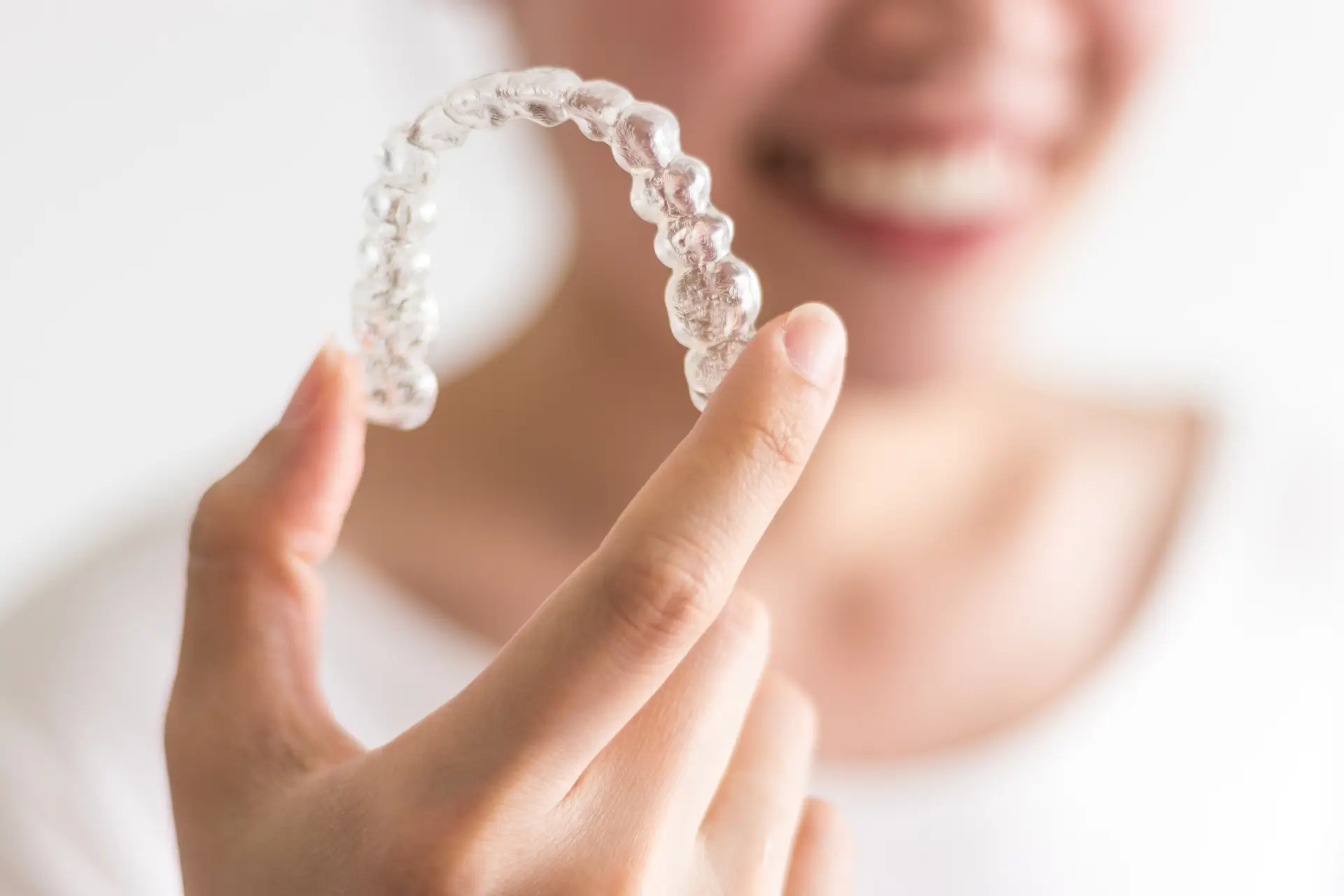
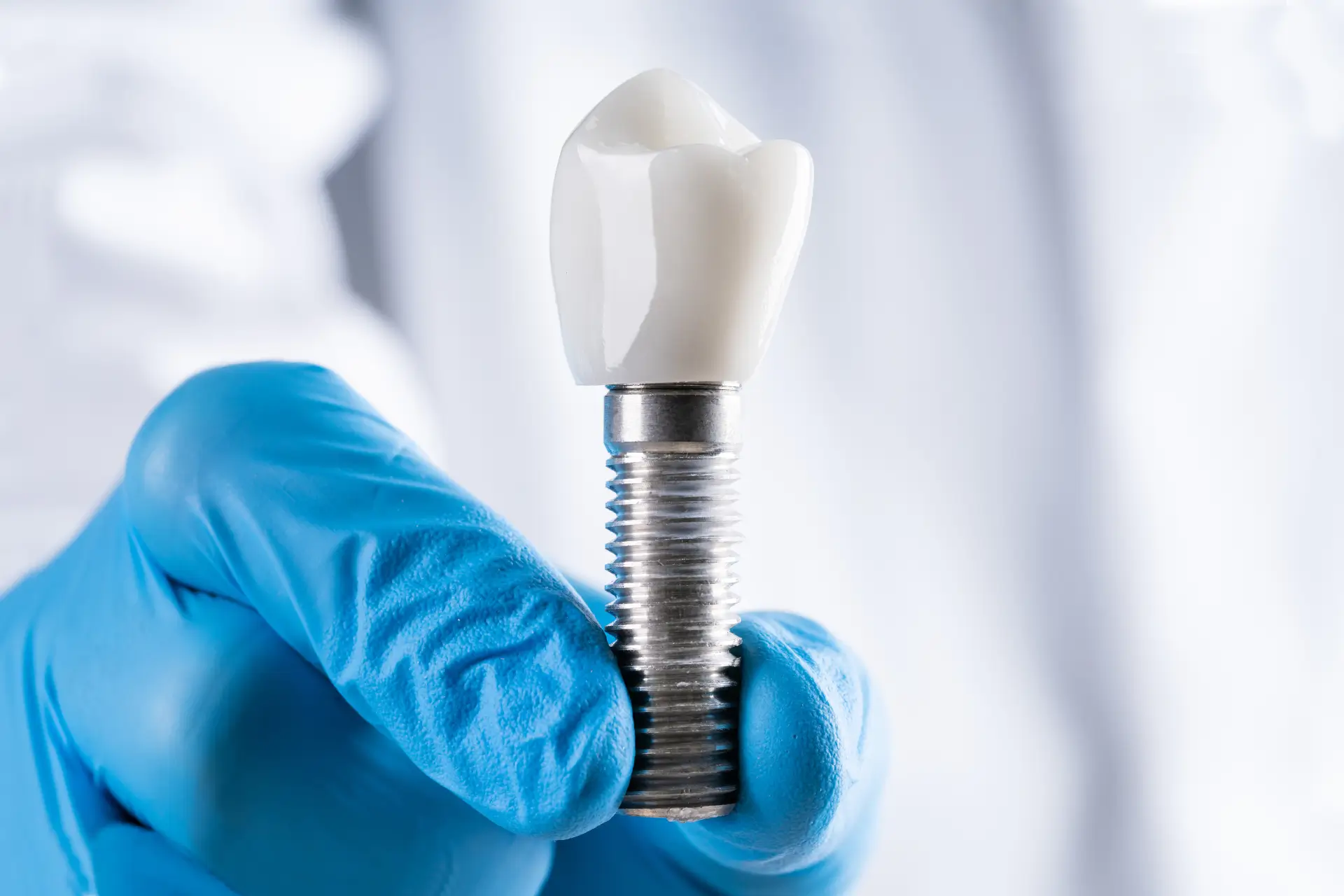
If a piece of your tooth broke off, bring it. If a crown, bridge, veneer, filling, implant screw, retainer, aligner, denture fragment, or night guard is involved, bring that too. Even if it looks unusable to you, it may still help the dentist evaluate the fit, cause of failure, or possible repair options.
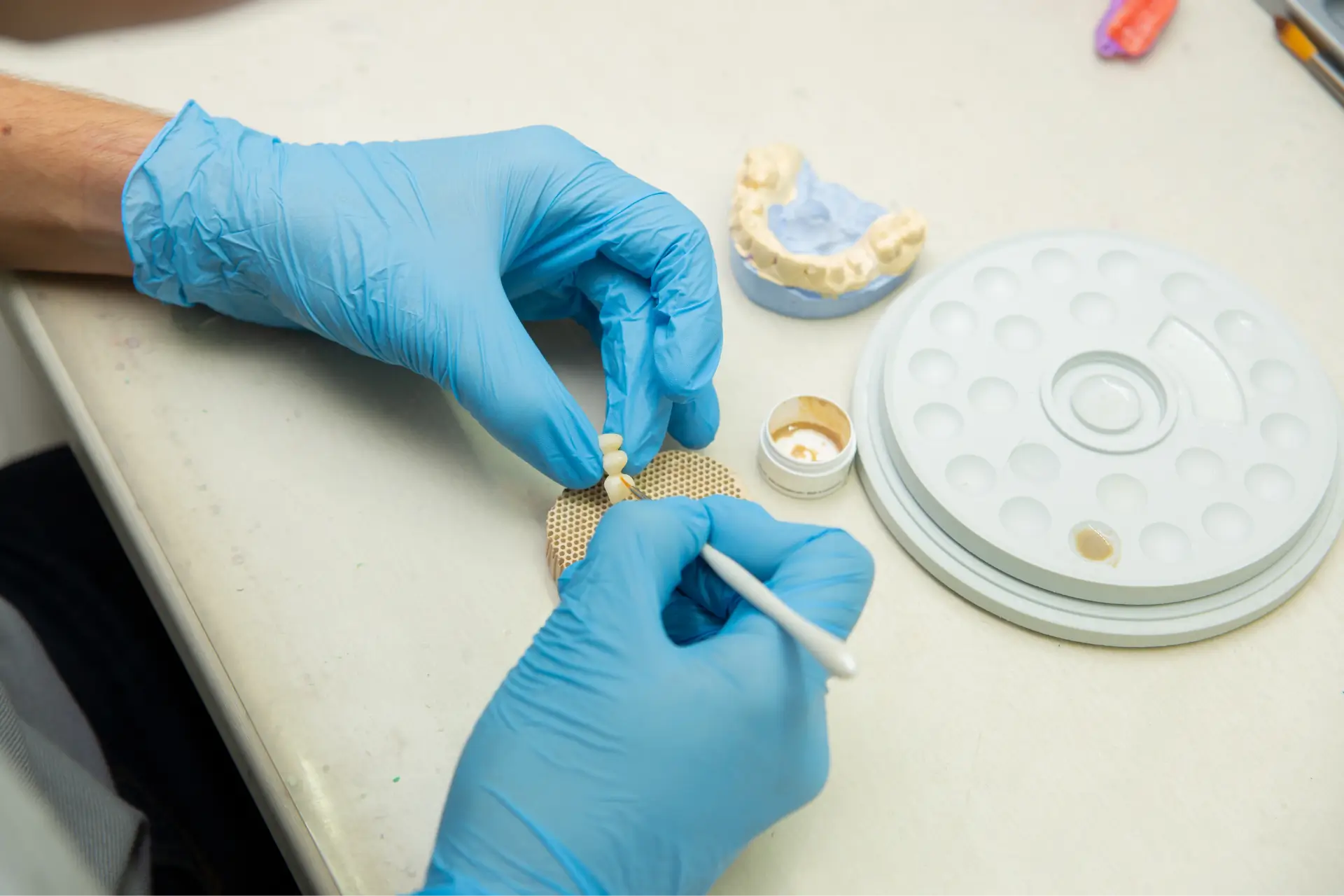
A crown that fell off cleanly may sometimes be recemented, depending on the condition of the tooth underneath and the crown itself. A chipped veneer can show whether the issue was trauma, bite pressure, or bonding failure. A fractured denture segment may help determine whether a same-day repair is realistic or whether a replacement is more sensible.
For a knocked-out permanent tooth, time is critical. Handle the tooth by the crown, not the root. If it is dirty, rinse it gently with milk or saline if available, or clean water briefly if nothing else is on hand. Do not scrub it. If you have been instructed it is safe to do so, the tooth may sometimes be placed back in the socket immediately. If not, transport it in milk, saline, or a tooth preservation solution if you have one. Avoid wrapping it in a dry tissue. Drying out the root surface lowers the chance of successful reimplantation.
Photos can help more than people expect
If swelling changes, bleeding has slowed, or the tooth looked worse an hour ago than it does now, a quick photo on your phone can be useful. The same goes for an injury that happened at a sports event, a fall, or a worksite. A picture taken right after the incident may show tooth position, facial swelling, or soft tissue damage that has shifted by the time you arrive.
Photos are especially helpful for intermittent issues. For example, a patient might say, “My gum had a bubble on it this morning, but it drained.” If they have a picture, the dentist gets a better sense of what that swelling looked like before it changed. With children, photos can also help explain the sequence of events if a young patient is too upset to describe what happened clearly.
You do not need perfect images. A few clear pictures in decent lighting are enough.
A short timeline helps the dentist triage quickly
When pain is intense, memory gets fuzzy. It helps to be ready to answer four practical questions: when did it start, what were you doing when it happened, what makes it worse, and what have you tried already? Those answers often matter more than long explanations.
A cracked tooth from biting ice raises different concerns than a tooth that started throbbing on its own at 2 a.m. Swelling that has doubled since breakfast is different from swelling that has been mild and stable for a week. A front tooth that darkened after an old injury follows a different path than a fresh fracture with visible bleeding.
If you have had recent dental work on the same tooth, mention that early. A tooth with a new filling, old root canal, large crown, or history of repeated pain will push the exam in a different direction. Prior treatment does not mean something was done wrong. Teeth can be structurally compromised, heavily restored, or simply at the end of what conservative care can support.
If you saw another provider first, bring every scrap of information
Emergency dental cases sometimes pass through multiple stops. A patient may start with urgent care for facial swelling, visit the emergency room for pain control, or see a general dentist before being referred to an endodontist or oral surgeon. If that is your path, bring discharge papers, X-ray reports, prescriptions, and any referral notes you were given.
If another office emailed images or records, forward them before you leave if possible. If they gave you a USB, disc, or printout, bring that along. Dental offices can often work around missing records, but having them saves time and may spare you repeat X-rays or duplicate questions.
This is particularly useful when the issue involves trauma, deep infection, or recent surgery. A patient who had wisdom teeth removed, then developed severe pain and swelling three days later, needs a different workup than someone with a first-time toothache in an untouched area.
Comfort items are not trivial, especially if pain has been building
A dental emergency can leave people shaky, nauseated, tired, and overwhelmed. If you wear glasses, bring them. If you use hearing aids, keep them with you unless the office asks otherwise. Bring a phone charger if your battery is low, because emergency visits can run longer than expected, especially when imaging, anesthesia, or coordination with a specialist is involved.
If you are prone to anxiety during dental treatment, mention that when you call and again when you arrive. That is not oversharing. It helps the team pace communication, explain options, and plan around your comfort level. Some patients do better if they bring a trusted adult to drive them, especially if they are in significant pain, have not eaten, or may need medication that leaves them groggy.
For children, a small comfort item can make a real difference. A favorite stuffed animal, a quiet tablet, or even a familiar blanket sometimes turns a difficult visit into a manageable one. Parents often underestimate how much smoother an emergency exam goes when a frightened child has one steadying object from home.
What not to bring, or at least not to rely on
People often arrive with strong assumptions about what they need. Sometimes those assumptions get in the way. Do not rely on internet diagnosis screenshots in place of a medical history. Do not place aspirin directly on the gum or tooth, which can irritate or burn the tissue. Do not bring a loose tooth in a napkin and expect it to stay viable if it has dried out for hours. And do not assume that if pain eased, the problem solved itself.
Temporary dental repair kits from the pharmacy can be helpful as short-term measures, but bring the packaging or at least know what you used. Some materials are easy for the dentist to remove. Others complicate the exam. Home glues, hardware adhesives, and improvised fixes create far more trouble than they solve. I have seen crowns attached with substances that damaged the inside surface enough to rule out reuse.
There is also a practical point about food and drink. Unless the office told you otherwise, avoid arriving with a mouth full of chewing gum, sticky candy, or heavily stained beverages. If your lip or cheek is numb from self-administered topical anesthetics or cold packs, be careful not to bite the tissue without noticing.
A useful checklist, if you only have two minutes
- Photo ID and current insurance information
- Medication list, allergies, and any recent prescriptions
- Broken tooth pieces, crown, appliance, or other dental parts
- Photos, referral notes, or records related to the problem
- A driver or support person if pain, anxiety, or medication may affect you
That short list covers the essentials in most cases. If you can gather more, fine. If you can only manage these five, you have done the important part.
Situations where the “right thing to bring” changes
Not every emergency is the same, and the items that matter can shift with the scenario. For a knocked-out permanent tooth, preservation medium matters more than paperwork in the first few minutes. For a spreading infection, medication history may matter more than the broken restoration itself. For a child with a sports injury, details about how the injury happened can be as important as the visible damage.
If the issue is swelling, bring information about fever, difficulty swallowing, or recent illness. If the problem is bleeding after an extraction, know whether you take blood thinners and when you last took them. If the emergency followed orthodontic treatment, bring your aligners or know the name of your orthodontist. If a denture broke before an important event, bring every fragment, because repair feasibility often depends on how cleanly it fractured and whether all pieces are present.
Pregnancy is another factor people sometimes forget to mention early. It does not mean emergency dental care cannot be done. It simply informs imaging decisions, medication choices, and treatment planning.
A few steps to take before you walk out the door
- Call the office, describe the symptoms clearly, and ask if there are any specific instructions before arrival
- Take photos of the area and gather any broken dental pieces
- Write down medications taken today, including pain relievers
- Bring a cold compress or tissues if you have active swelling or drainage
- Arrange transportation if you feel faint, highly anxious, or have taken sedating medicine
That is as close as most emergencies need to get to a game plan. Simple, direct, and realistic.
Why preparation can change the outcome, not just the experience
People sometimes hear “bring these items” and assume this is about front desk efficiency. It is more than that. The quality of emergency dental care depends on speed, context, and safe decision-making. A dentist often has to choose between stabilizing the tooth, watching it, referring it, or removing it. They may need to decide whether swelling can be managed in-office or whether you need a higher level of care. Those decisions are better when the facts are organized.
Take something as common as severe tooth pain. If the patient can say the tooth has a large old filling, hurt on cold for three weeks, woke them from sleep last night, and no longer responds to over-the-counter medication, the likely causes narrow quickly. If they also mention they are allergic to penicillin and took ibuprofen an hour ago, treatment planning gets safer and more precise. That is not clerical detail. That is clinical value.
The same goes for trauma. A front tooth pushed out of place after a basketball collision may look straightforward, but the presence of lip lacerations, a photo showing original tooth position, and confirmation that the patient did not lose consciousness all help determine the next steps. Emergency dentistry is often a race against swelling, contamination, dehydration of tissue, or the progression of infection. Good information saves time.
If you are caring for an elderly parent or another adult family member
Caregivers are often the missing piece in emergency visits. Older adults may have complex medication lists, memory gaps, multiple specialists, and transportation challenges. If you are taking a parent, spouse, or dependent adult to an emergency appointment, bring a current list of doctors, medications, allergies, and major medical conditions if you can. Even a simple note in your phone can help.
Dental pain in older adults can also present differently. They may minimize symptoms until a small issue becomes a large one. They may tell you they are “fine” while avoiding chewing on one side for weeks. If the person has dementia, limited mobility, or communication difficulty, the value of a prepared caregiver goes up considerably. In those cases, your observations may be the key to a correct diagnosis.
The goal is not perfection, it is usable information
If you are in pain, bleeding, swollen, or trying to calm a frightened child, no one expects a flawless folder of records. Bring what you can. The most helpful things are usually the simplest: the item that broke or fell out, your medication and allergy information, insurance details, a few good photos, and a clear sense of when this started.
That preparation gives the dental team something they can work with right away. It reduces avoidable delays. It lowers the chance of medication mistakes. It can even improve the odds of saving a tooth in time-sensitive injuries. For anyone seeking Dental Emergency Plano TX care, those are practical advantages, not small administrative wins.
A dental emergency appointment is stressful by nature. https://raymondujwd187.swiftnestly.com/posts/dental-emergency-plano-tx-questions-patients-ask-most You may not control when the problem starts, but you can control what shows up with you. In emergency care, that often matters more than people think.
Vitality Dental
Address: 1220 Coit Rd #106, Plano, TX 75075
Phone number: +19726454100
FAQ About Dental Emergency Plano TX
What can the ER do for a tooth?
An emergency room (ER) can manage pain and treat severe infections with medication, but it cannot fix or pull a tooth.
What is considered a dental emergency?
A dental emergency is any oral health problem that involves severe pain, uncontrollable bleeding, or an infection that threatens your health or requires immediate care to save a tooth.
Is there a 24-hour dental service in Plano, TX?
There is no physical dental clinic in Plano, Texas, that stays open with walk-in staff 24 hours a day, but several offices offer 24/7 phone support, late-night hours, or same-day emergency care.